Duskfade Difficulty Settings and Challenge
How the demo difficulty curve prepares you for bosses, platforming exams, and the full 2026 adventure.
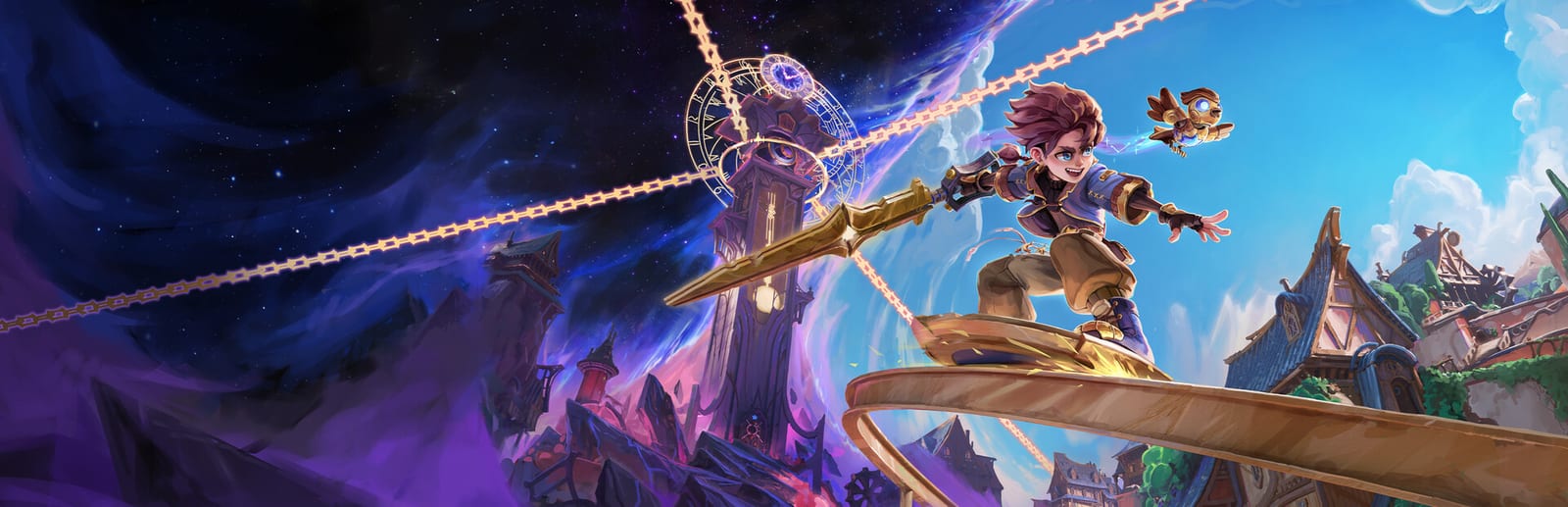
Duskfade pitches itself as a heartfelt action platformer inspired by PS2 classics—responsive movement, combo-driven combat, and set-piece bosses that merge arena fights with traversal puzzles. Weird Beluga and Fireshine Games target players who enjoy mastering dodge timing without mandating Souls-like punishment for story viewers. Difficulty is front-loaded in teaching segments, spikes around the Wrath boss at the demo’s end, and is expected to climb again across five major regions in the retail game launching August 13, 2026 on PC, PlayStation 5, Xbox Series X|S, and Nintendo Switch 2.
This page explains where challenge comes from, which systems soften failure, and how to calibrate your approach if you bounce off Wrath or platforming chains. It complements How to Play Duskfade, Beat Wrath, and Temporal Shift and Combat without repeating their step-by-step advice.
Single-player challenge baseline
Official store listings describe an offline single-player adventure. You cannot rely on phasing partners or shared aggro—every dodge, Grapple line, and potion sip is yours alone. That design choice raises perceived difficulty for players accustomed to multiplayer platformers but keeps encounter tuning precise for Temporal Shift tutorials.
Checkpoints in the demo appear at biome transitions rather than every room, meaning streaks of clean play matter. Dying to Wrath sends you back to a pre-boss checkpoint in most builds, so preparation via Upgrade Gears and Clock Heart Pieces documented in Collectibles in Duskfade is time well spent.
Combat difficulty layers
Standard enemies swarm quickly; previews note that small ink creatures telegraph poorly until you learn to keep moving. Larger foes signpost wind-ups more clearly, rewarding patient dodges over panic rolling. Temporal Shift adds a skill ceiling—perfect dodges freeze threats, while sloppy rolls still save HP but extend fights.
Boss difficulty jumps substantially at Wrath: fast lunges, projectile spreads, and a charge phase requiring Grapple platform routing around lava borders. This is intentional demo punctuation, not a bug. Players struggling after multiple attempts should alternate between Movement and Tech practice and gear upgrades rather than lowering expectations for mechanical exams.
Platforming difficulty layers
Traversal difficulty scales with gadget unlocks. Early forest paths test double jumps and dodge extensions; mines introduce vertical crystal lanes; ruins combine Blast breaks with Grapple puzzles. The game rarely asks for all tools at once until Wrath merges combat and platforming under pressure.
Some previews mention occasional jump inconsistencies during stressful boss platform phases—usually misinputs between dodge and second jump. Confirm control bindings on PC or use console presets that separate dodge from sprint if misrolls cause falls.
Consumables and optional grind
Potions heal at animation cost mid-fight, lowering hard gate difficulty for players willing to farm drops. Optional collectibles widen margins: three Clock Heart Pieces increase max health, while Star Shards fund combat nodes via Upgrade Gears. The collectibles tracker helps casual players decide whether backtracking is worth smoother Wrath learning curves.
Grind is optional for story completion of the demo critical path but recommended for comfort. Difficulty Settings in a future retail menu may add accessibility toggles—watch the Updates hub near launch for official options like invulnerability assists or aim assist analogs not present in early demos.
Demo versus full game expectations
The demo condenses one level arc from Tick Town outskirts through forest, mines, and ruins. Full Tearfeld spans ethereal forests, underwater realms, sunscorched dunes, and cloud heights per press materials, each ending in a boss guarding Master Clockmaker secrets. Expect regional difficulty stair-steps similar to Wrath’s emotional gatekeeping.
Players who find demo combat easy should still respect platforming set-pieces; previews praise movement but note enemy AI simplicity in early packs. Retail patches may tighten aggro or add elite variants—another reason to revisit combat guides post-launch.
Playstyle recommendations by skill band
Story-first explorers should prioritize potions, Clock Heart Pieces, and conservative dodges without forcing Temporal Shift every encounter. Use Cuckoo support upgrades for safer stagger windows.
Action optimizers should farm Upgrade Gears, practice perfect dodges in forest packs, and treat Wrath as a two-phase exam: floor patterns first, Grapple charge cancels second.
Platforming specialists may under-invest in combat nodes early but must still fund Minutero damage before regional bosses in the full game. Cross-train via demo walkthrough speed routes and Biomes and Regions optional paths.
Related reading
Mechanics depth: Temporal Shift and Combat. Boss specifics: Beat Wrath. World tone motivating persistence: Lore of the Clock Tower. Tick Town hub safety: Tick Town. Duskfade difficulty is fair but explicit—it rewards preparation, readable inputs, and willingness to treat Wrath as a graduation test rather than a surprise spike.
Frequently Asked Questions
Quick answers from the full campaign, trophies, and remaining demo slice.
Is Duskfade harder than typical platformers?
The demo stays approachable until Wrath, where combat and Grapple platforming combine sharply. Optional collectibles and [Upgrade Gears](/items/upgrade-gears/) soften the spike.
Does Duskfade have difficulty sliders in the demo?
Early demos focus on a single challenge baseline. Watch for accessibility options near the August 13, 2026 launch on the [Updates hub](/updates/).
Can I beat Wrath without perfect dodges?
Yes. Standard dodges work if you learn charge-phase Grapple routes. [Temporal Shift](/guides/combat-temporal-shift/) helps but is not mandatory.
Is multiplayer available for easier boss fights?
No. Duskfade is strictly single-player offline, so difficulty tuning assumes solo aggro and healing management.